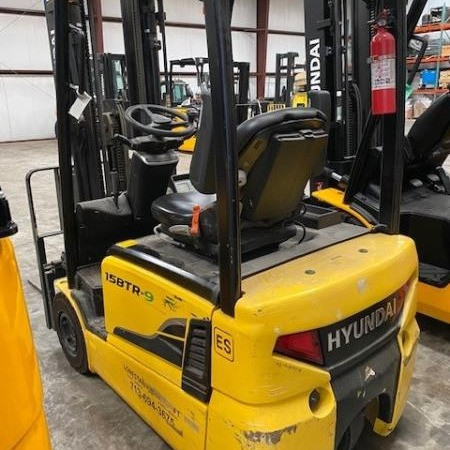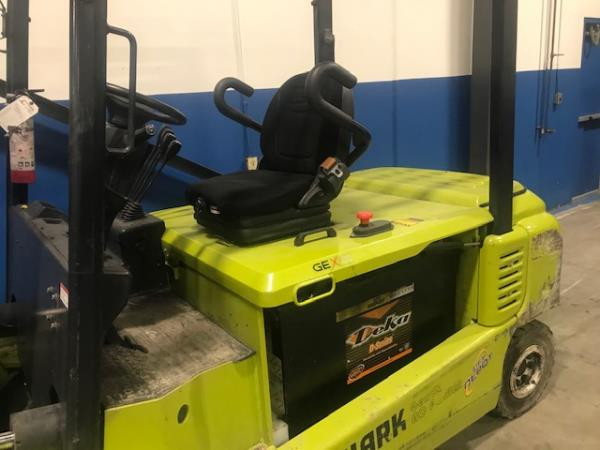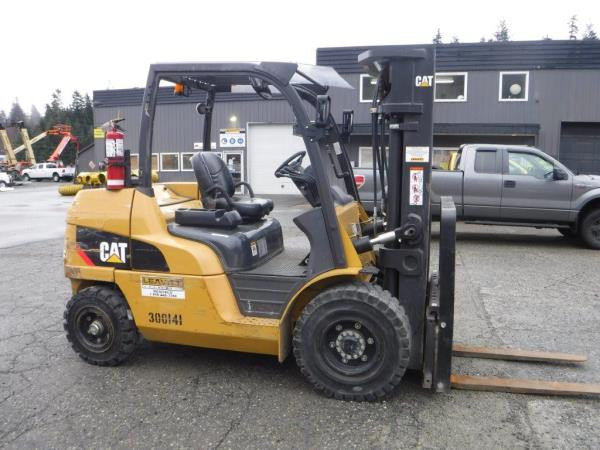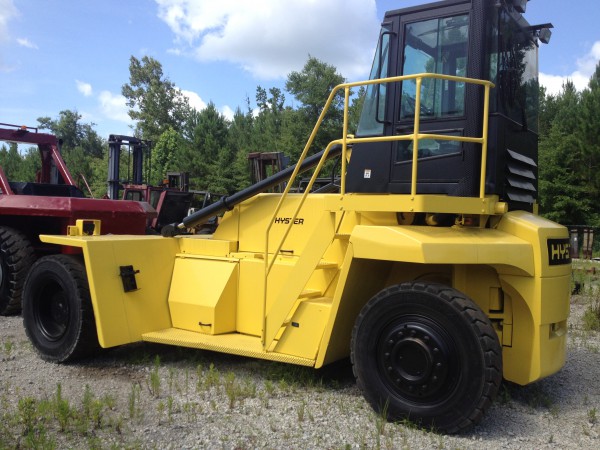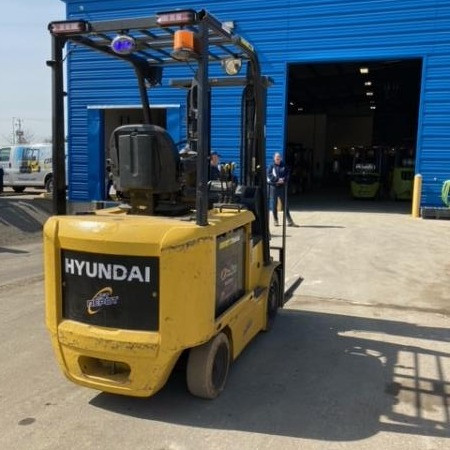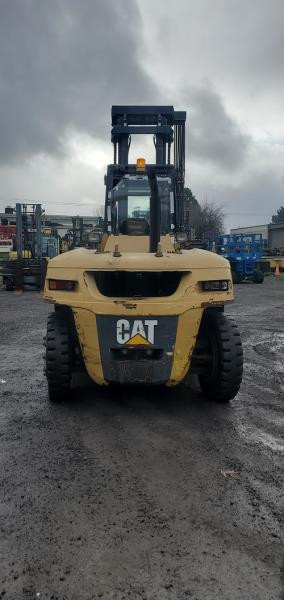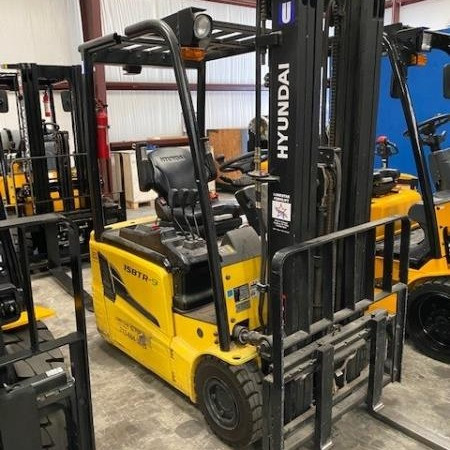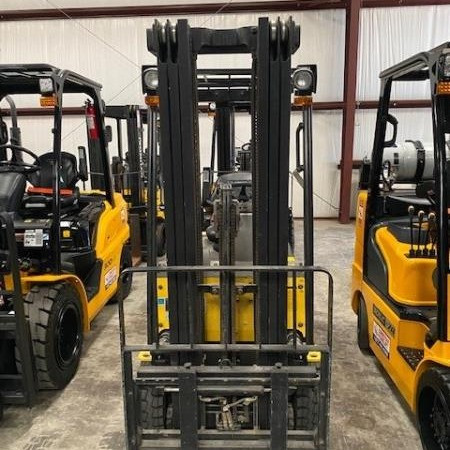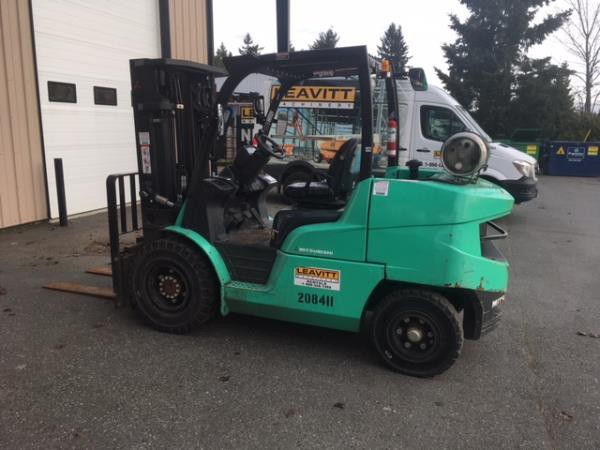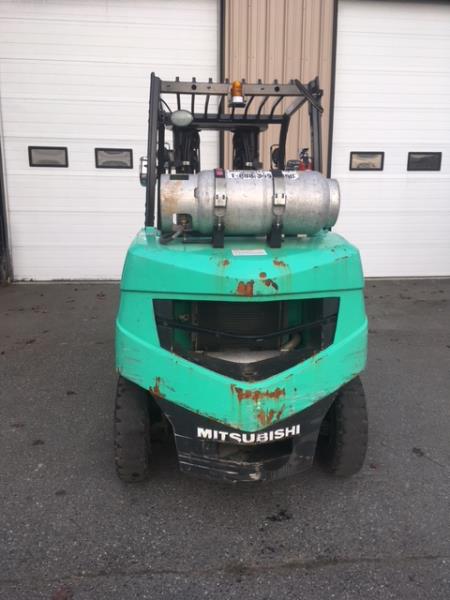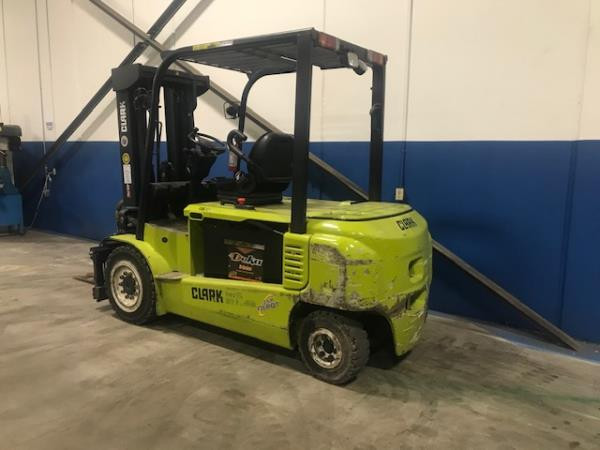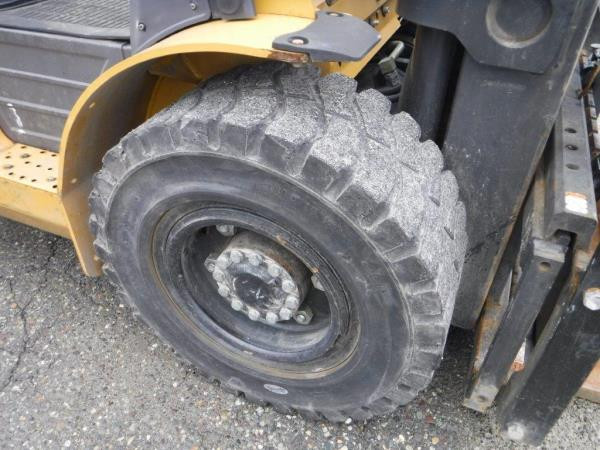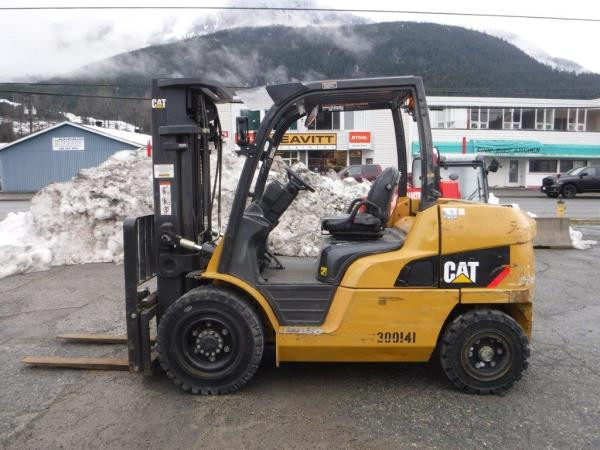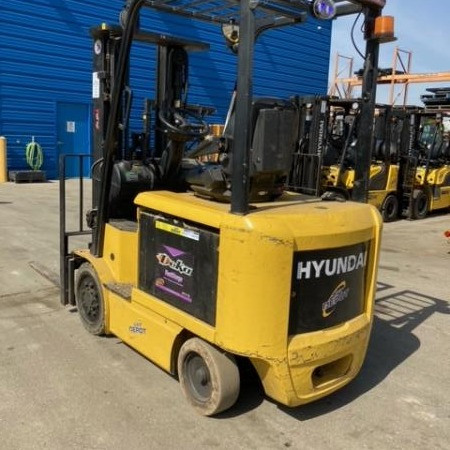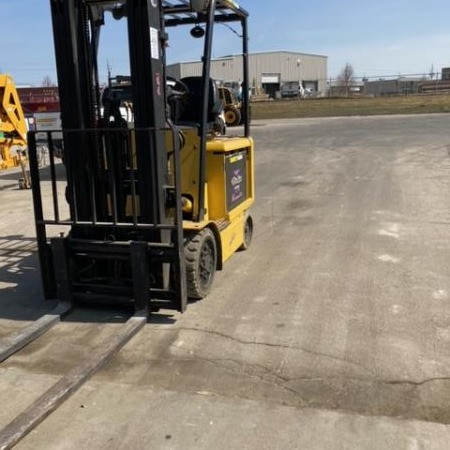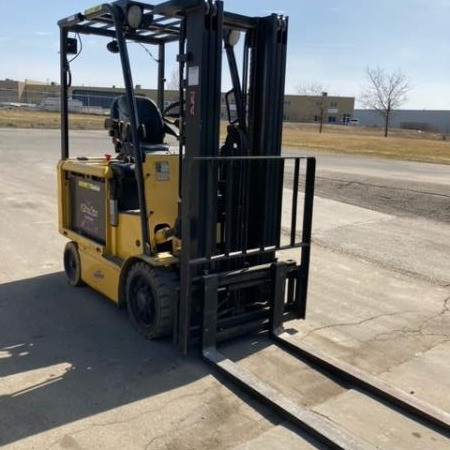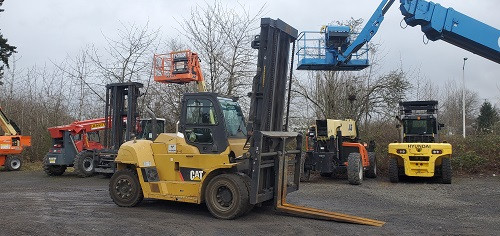

Used Forklifts Nebraska - Using both internal combustion (IC) and electric trucks have various disadvantages and advantages. Electric engines cost less to maintain over their lifetime since they require a lot less maintenance. The battery should last five years minimum if the guidelines of the manufacturer for maintenance and charging are followed. Overnight charging expenses are usually low. Electric trucks tend to be highly maneuverable and compact units, specially the three-wheel models. Drive, lift, tilt, acceleration and auxiliary speeds are adaptable and can be changed depending on the preferences of the driver and the application. Electric trucks are easier on the environment and are not noisy. Electric trucks are not best to use in wet conditions. Because of the need for battery recharging, they cannot be continuously used. They are not suited to rough terrain. The energy consumption is high on continuous high lifts and ramp work. IC engine diesel/LPG has the advantage of being best for continuous outdoor application and uneven surfaces. With no need for battery charging, the forklift could be utilized during the evening and overnight. Transport and supply of fuel needs to be factored into costs. Initial expenses are less than for an electric truck, but long term expenses connected to fuel and maintenance are higher. IC engines have larger capacities compared to electric, but less adaptability. LPG could be utilized in some indoor applications. IC Engine diesel/LPG makes more noise and higher emissions compared to electric. LPG has lower emissions compared to diesel. A reach truck is utilized to store pallets of goods, supplies, and to keep storage places tidy. The reach truck is available in several models: the stand-up reach, double-deep reach and straddle reach. The most basic type is the stand-up. The forks of the truck slide underneath the pallet and move it to the correct storage place. The forks slide the pallet into place. This kind of reach truck is suitable when shelving units are one pallet deep. Best for workplaces where the shelving units are deep enough to accommodate two pallets of goods, the double-deep reach truck, that is similar to the stand-up, is commonly utilized. This particular model has telescopic forks intended to place the pallet at the back of the shelving unit. This eliminates the need to push the pallet back when another pallet needs to go into the same shelving section. The additional advantage of straddle reaches is that they can both slide beneath the pallet and grasp the sides also. These are suitable for workplaces where shelving units are accessible in multiple directions. This version is ideal in situations where goods will not be damaged if the pallet sides are grabbed. In nearly all warehouses, there are normally more than one kind of reach truck. Textile companies and manufacturing facilities use various kinds of reach trucks in their supply areas. The reach truck is not difficult to operate and could make the most of available storage space while increasing productivity. As a global leader in forklift trucks, Hyster consistently strives for excellence in product quality and safety. However, it began as a manufacturer of lifting machinery and winches. Most of its production was concentrated in the northwest United States and dealt mostly with the timber and logging industry. A couple years after the first forklift trucks were invented Hyster became synonymous with quality manufacturing. Over the last 80 years Hyster has continued to expand and grow its product line. The expansion of its products coupled with its wish to stay service oriented has allowed Hyster to develop into the international player it is at present. All Toyota machinery and parts built within North America adhere to the International Organization for Standardization or ISO 14001 standard. The Columbus TIEM plant has been honored on many occasions for its commitment to continual improvement and its environmentally friendly systems. It is the first and only producer to offer EPA and CARB-certified Compressed Natural Gas powered lift trucks on the market. For instance, the Toyota 8-Series IC lift vehicles emit 70% fewer smog forming emissions than the existing federal EPA standards and have complied with California’s strict emission standards and policies. Yale Materials Handling Corporation is an international organization that's part of the NACCO Materials Handling Group or likewise known as NMHG. NAACO Materials Handling Group is the biggest maker of lift trucks in the United States. They have got $1.5 billion in profits, making them the third largest around the globe. NMHG designs, engineers, makes and sells an entire collection of lift trucks under the Yale brand. The forklifts are manufactured in USA, the UK, the Netherlands, Mexico, Scotland, Ireland, Brazil, Japan and Italy. The retail sales of forklifts and replacement parts are serviced, sold and supported by Yale licensed dealers. Yale stands by their commitment in being the best within the material handling trade. They proudly give far more than the most comprehensive collection of forklifts. Each and every one of their lift trucks come with the assistance of the whole firm. Their skilled service specialists have every option obtainable to manage and finance your lift truck fleet. The strategically located dealer network gives customers excellent flexibility and customer service.
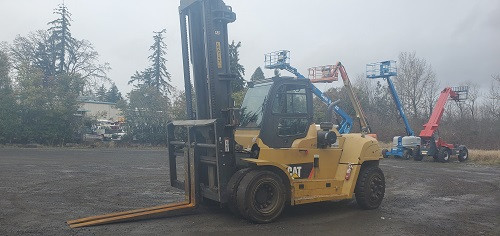
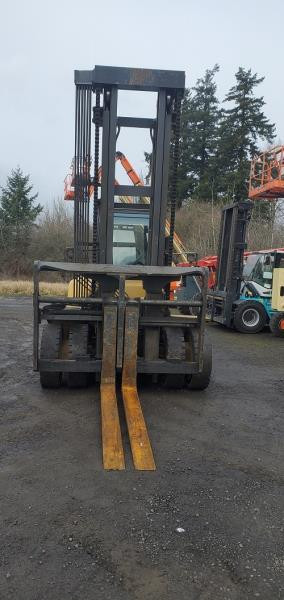
Caterpillar: Caterpillar Large Capacity Forklifts Nebraska - History of Forklifts Forklift technology provides the capacity to transport heavy or bulky items easily across short distances. Forklifts are commonly used in the every day operations of different types of businesses. Forklift design is always undergoing improvement as technology advances. The forklift was invented in the early 20th century at the start of the industrial era within America. A company called Clark manufactured the first truck tracker in the year 1917. It was developed for use inside Clark's own plant, but when others saw it they were very impressed with this lifting machine, even though it was only capable of raising loads only a few centimeters off the ground. The next year, Clark began to promote the trucks widely. The first kinds of forklifts were just the basics. By 1920, hydraulics was incorporated into the design. In the year 1923, Yale Baker developed an electric powered model with a pinion and ratchet system which cost a lot less to use. Pallets were developed as surfaces which are stackable on which to move supplies. This allowed larger loads to be transported. During World War II, more businesses moved into the materials handling sector in order to handle increased demand. Businesses, such as Hyster, went from manufacturing various kinds of machines to manufacturing lift trucks. The U.S. Armed Forces increased demand for forklifts for the purpose of bringing military materials to the frontlines. The demand for longer lasting electric models led to the development of forklifts which could last for eight hours. During the course of their history, forklifts have significantly changed. Industries all around the globe need forklifts to lessen expenses and increase production. Modern trucks are safer, more comfortable and more productive than their predecessors.
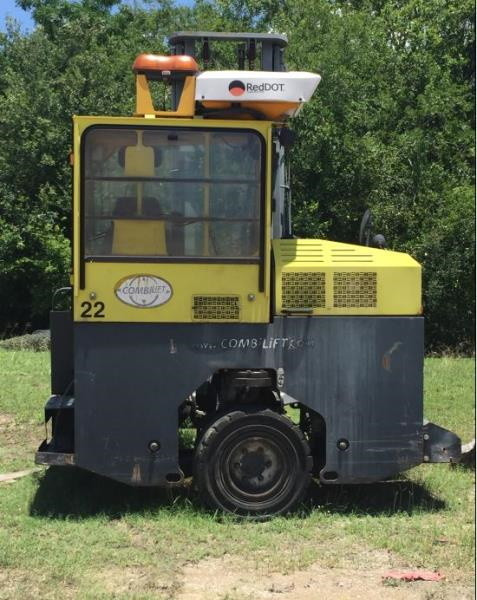
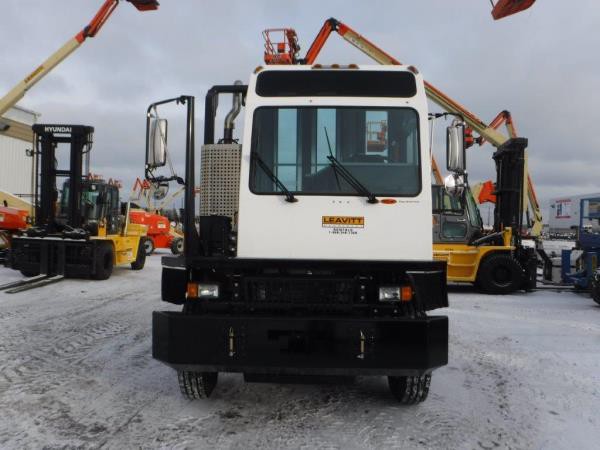
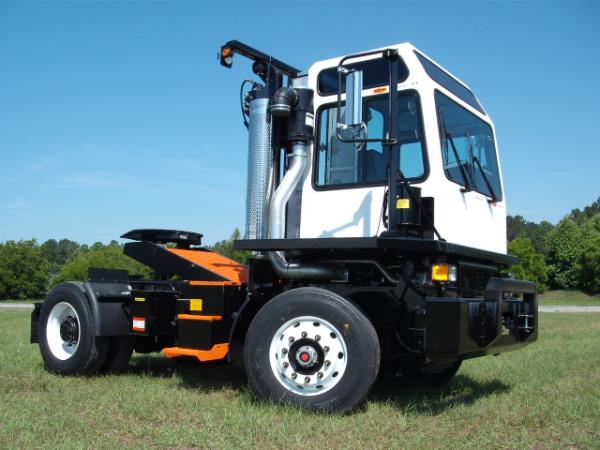
Kalmar: Kalmar Loaded Container Handlers Nebraska - Container Handling Tips The definition of a "loaded container" for the purpose of securing and container handling; is a container other than in the empty or tare condition. Containers should be treated as loaded, unless otherwise confirmed. To be able to maintain safety, when securing or handling containers, environmental conditions like wind has to be taken into consideration. The term loaded refers to the container's maximum gross weigh rating. To be able to ensure that the centre of gravity is kept as low and central as possible, the load needs to be distributed throughout the container. Having an equally distributed cargo it is beneficial to prevent excessive tilting, and lack of vehicle stability, so as to maintain safety. A load that is even helps to prevent unacceptable vehicle axle loading, and unacceptable load concentrations. With the load distribution in the container, the eccentricity of the center of gravity differs. It is extremely important that the designers of handling machinery and containers take this into account during the engineering process. For example, when 60% of the load by mass is distributed in 50% of the container length measured from one end of the machine, the eccentricity corresponds to 5 percent. Make certain that the container is free to be handled and care needs to be taken to make sure it is safely attached to the container, in order to make certain that the machine used is perfect for the load. Particular attention needs to be paid to the possibility of the container tilting due to the eccentricity of the center of gravity. When raising any container whose centre of gravity is mobile or eccentric, like for instance a tank container, a bulk container or a container with a liquid bulk bag or a thermal container with a refrigerating unit, either integral or clip on, or any container with a hanging load, extreme care must be taken when lifting these. Various methods for handling containers other than the ones already mentioned can be taken into consideration, but just after careful evaluation of the machine by means of which the container is to be handled. With respect to global container standards, the methods of operation are envisaged. Safety is vital in each and every situation and time must be taken prior to starting in order to make sure all situations are handled in the best possible way and overall efficiency is maintained.
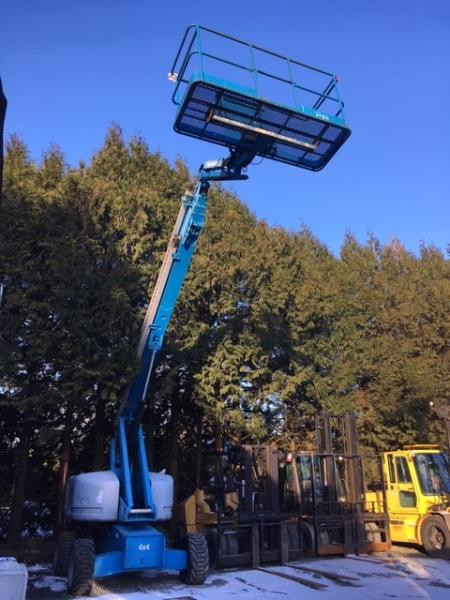
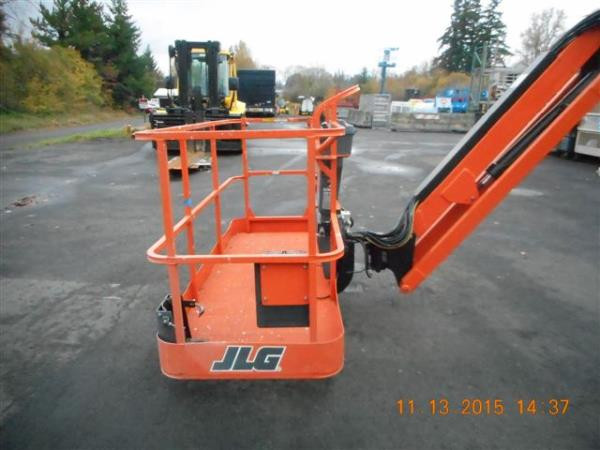
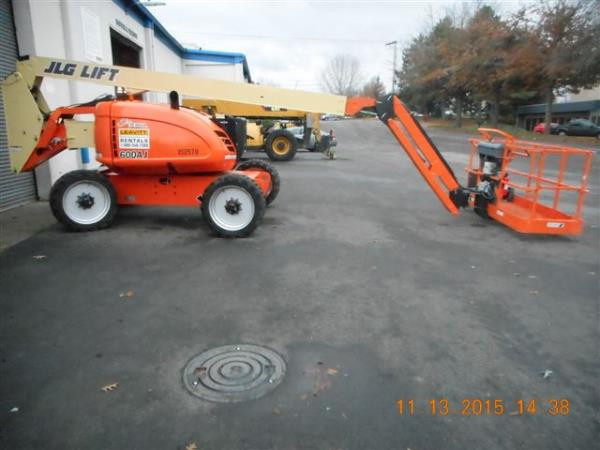
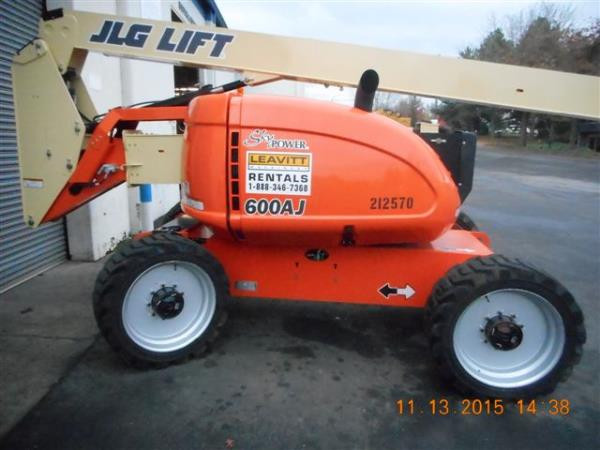
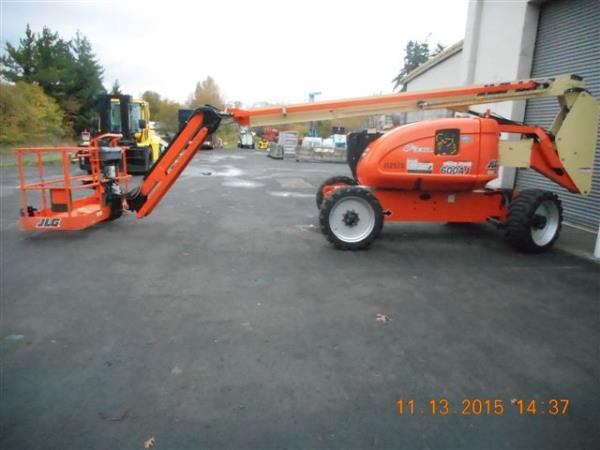
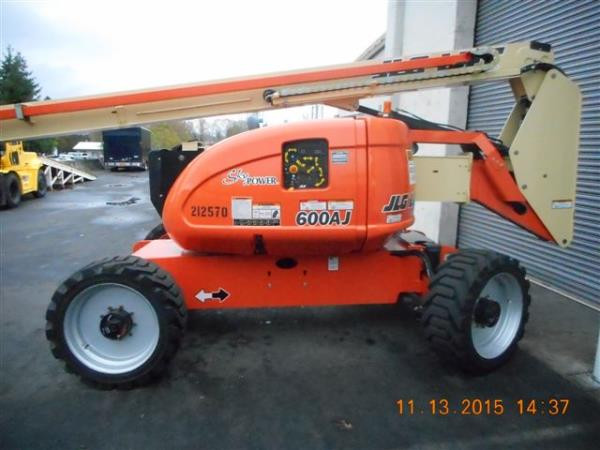
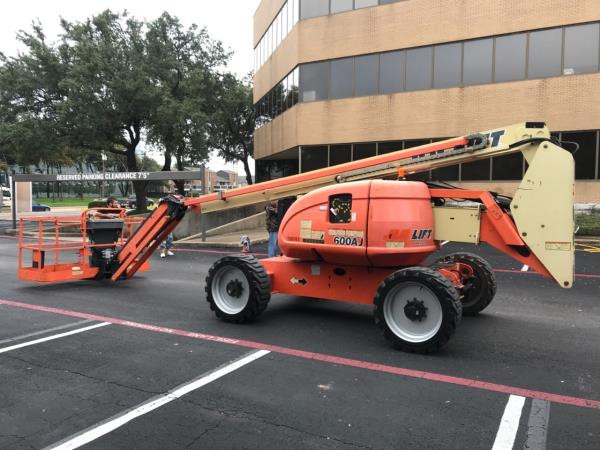
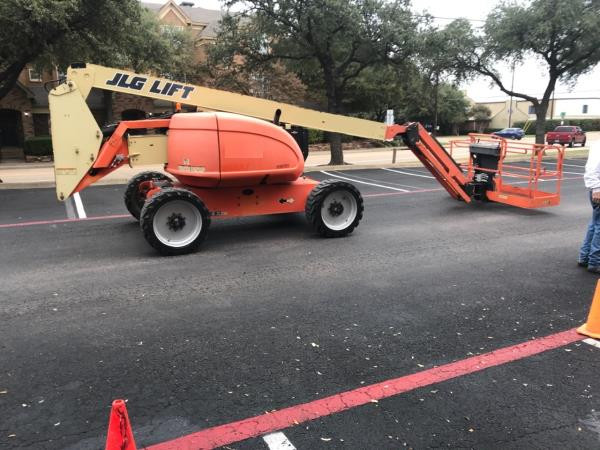
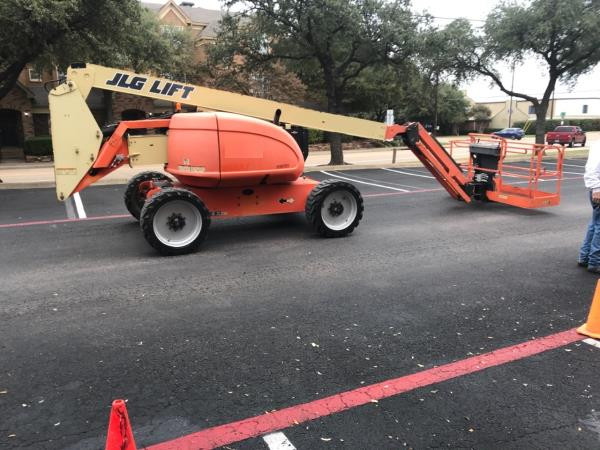
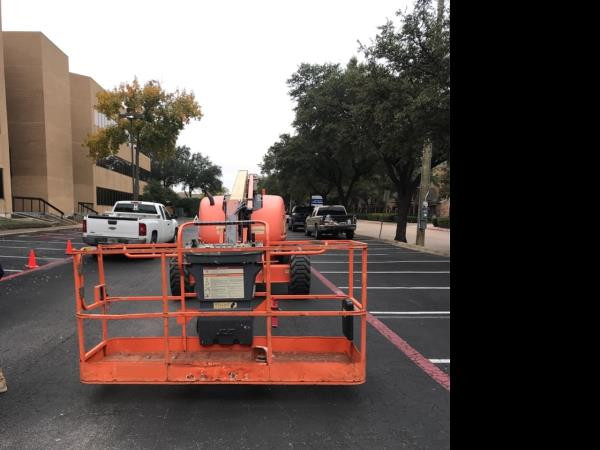
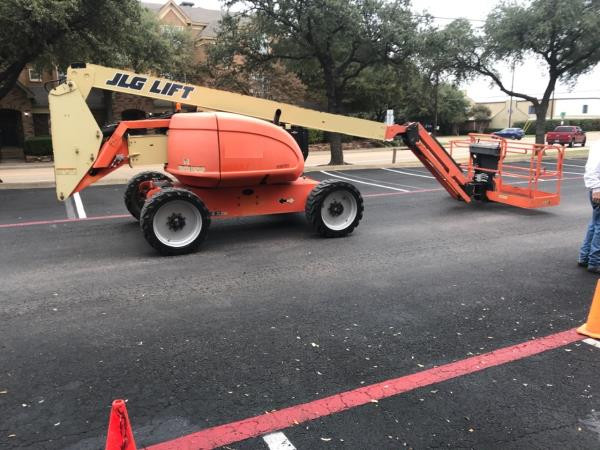
Terex: Terex Electric Boom Lifts Nebraska - Boom Lift Tips A terrific device to reach high places from the comfort of a metal deck could be accomplished with an aerial boom. There are a variety of sizes and styles and models to select from. These kinds of lifts could run on diesel or gasoline engines and also from electrical batteries. Boom lifts are particularly able to lift occupants up to heights of 150 feet. In order to operate these lifts safely, the operator would be required to put on approved harnesses which are attached to the lifting platform. How High Do I Need to Go? It is important to evaluate the specifics of the job, prior to selecting a lift. Measure the height if you could, from the ground to the work place. Prior to starting, scout out the place that the lift will be traveling because terrain which is uneven will utilize a different boom lift as opposed to a work area on concrete or asphalt. The job location is also really appointment. Lifts that will be moving a lot will provide better service if they are diesel or gas powered. The battery powered models must be recharged more frequently because they would run down fast after great distances are traveled, despite the differences in terrain. Prior to beginning a task, make sure you are familiar with operating the machinery. Moreover, complete a daily inspection by checking all the components and perform a visual check around the equipment. Check the tires and make sure that they are well inflated to the correct pressure. Visually inspect beneath the lift to be certain that noting is caught on the undercarriage. Safety checks can be the difference between keeping an operator and people around them well protected.
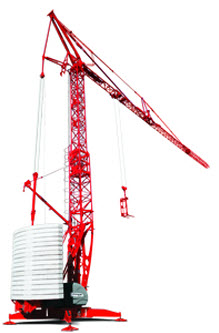
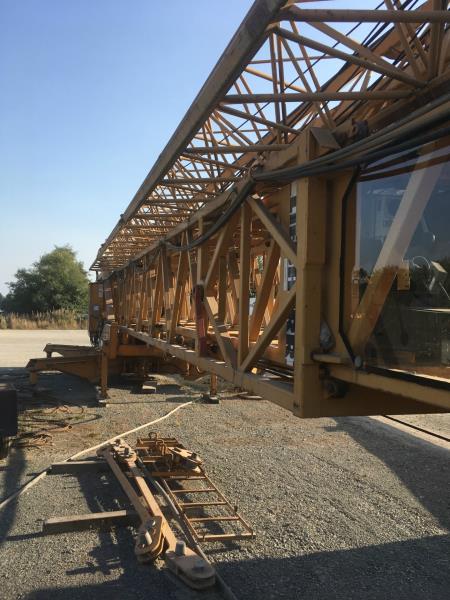
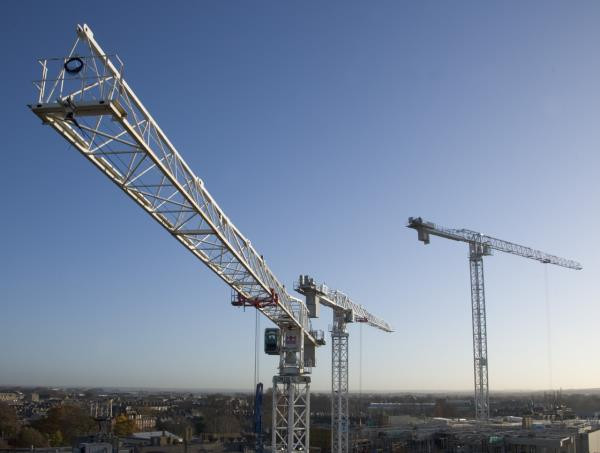
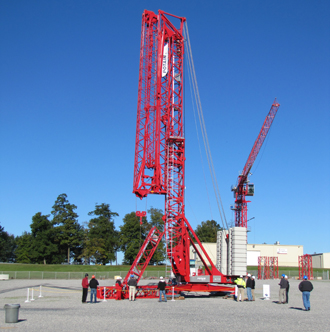
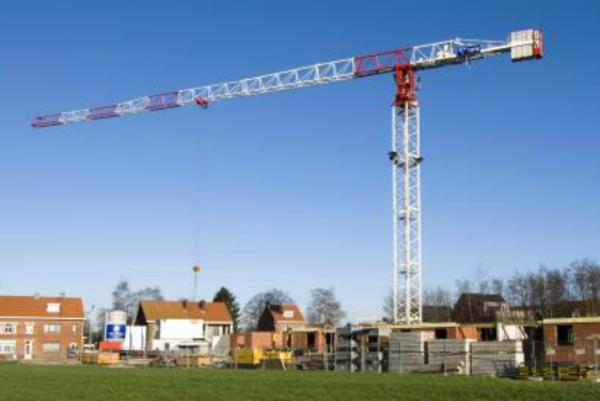
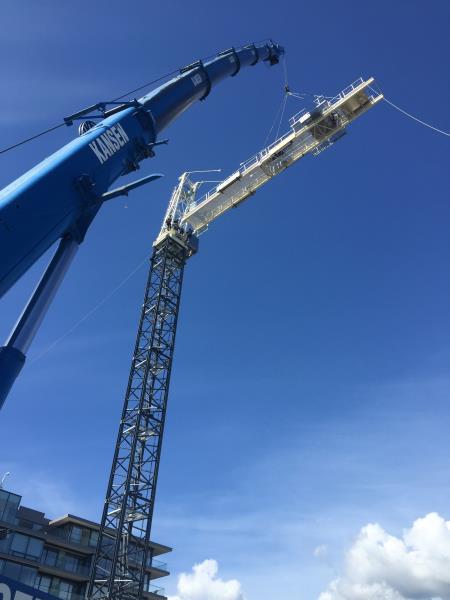
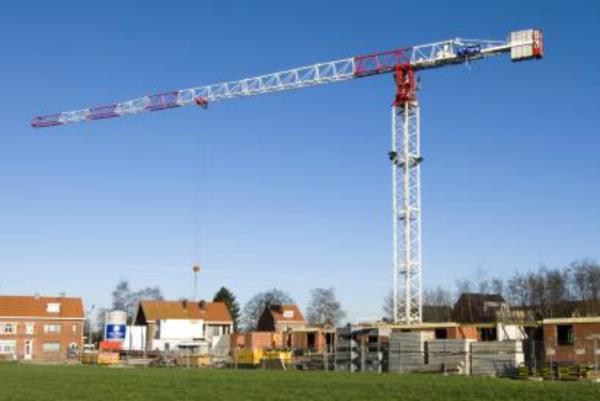
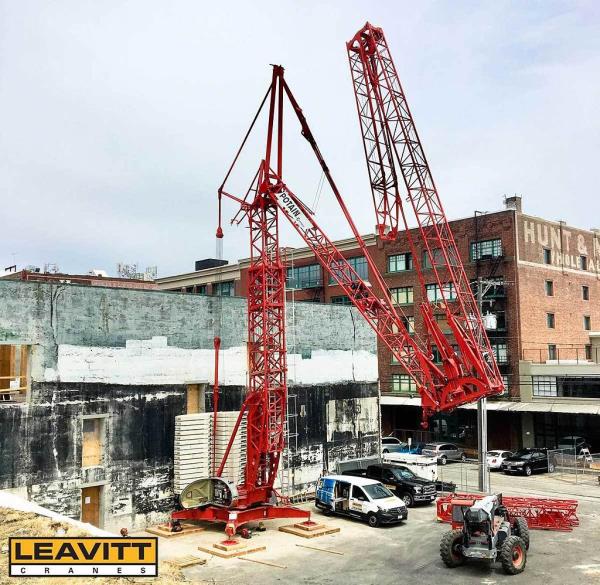
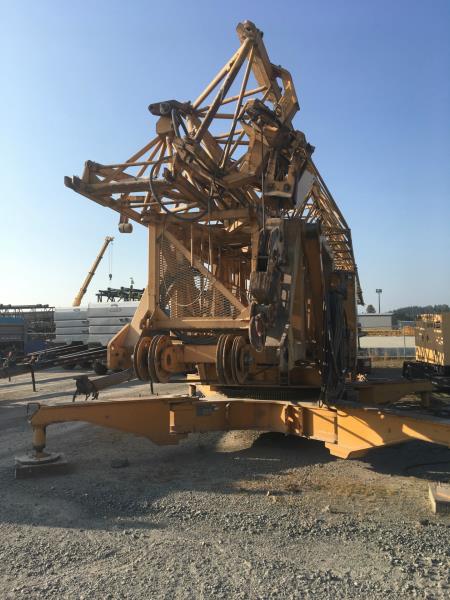
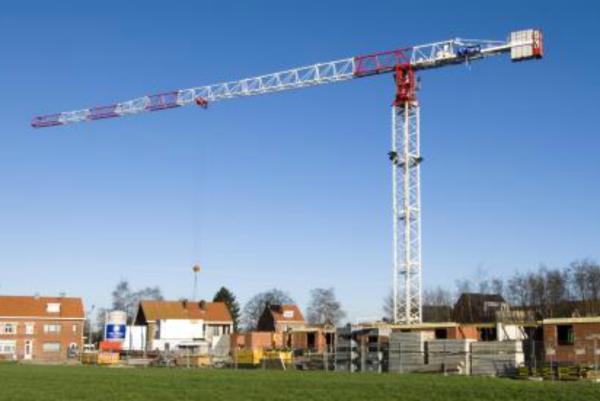
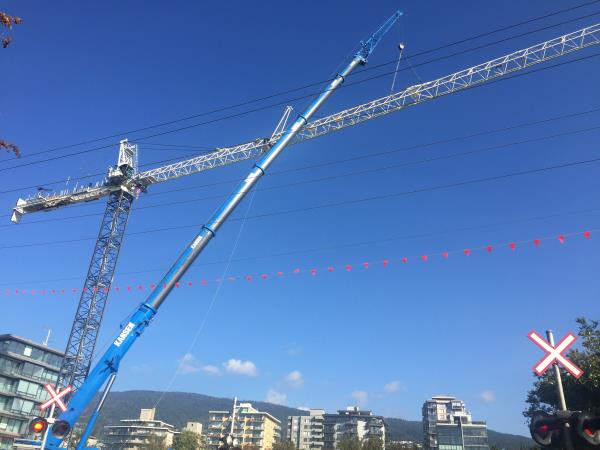
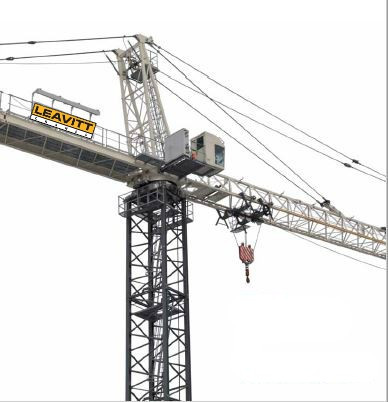
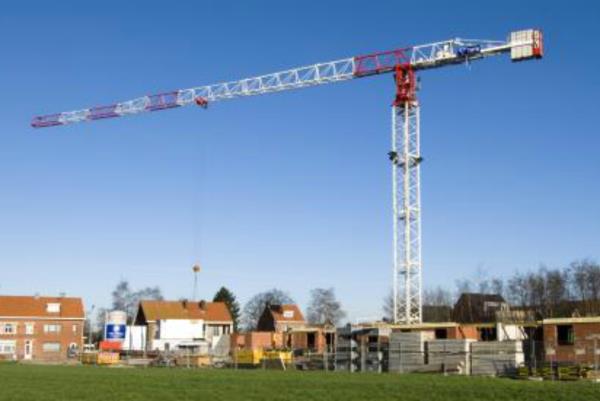
Liebherr: Liebherr Construction Cranes Nebraska - During 1949, the Liebherr family business was created by Hans Liebherr. His first claim to fame was the success of his affordable and easy-to-assemble mobile tower crane. It was upon this invention that the foundation of the company flourished under. Nowadays, The Liebherr company has grown to become amongst the world's leading manufacturers of construction equipment. The company has also earned the reputation of being the acknowledged supplier of user-oriented technically innovative products and services in various fields. The company has currently become a "Group" working in each and every continent with more than 35,000 employees and over 130 companies across the globe. The Liebherr Group has been divided into various company units so as to ensure a manageable operating size. These individual units operate independently. This set up enables the company the ability to be flexible to market signals and stay in tune with global competition. As well, having so many individual company units also keeps customer service running at an optimum level and ensures customer proximity. The divisional control companies deal with the operative management of the sales companies and the production for the individual product segments. The Liebherr Group presently has 10 various product divisions. Liebherr-International AG is the holding company of the Liebherr Group. They are situated within Bulle, Switzerland and are completely owned by members of the Liebherr family. Now, the family business is being managed in the 2nd generation by Dr. H.C. Willi Liebherr and his sister Dr. H.C. Isolde Liebherr. Ever since 2012, several of the active individual divisions have been represented by third generation members of the family including: Sophie Albrecht, Jan Liebherr, Stefanie Wohlfarth and Patricia Ruf. These family members have been working together to help set up the course of the family business in the future. They are staying on top of large-scale industrial projects and residential buildings across the globe. Hans Liebherr started to build his business in the year 1949, in a tiny town called Kirchdorf within southern Germany. Kirchdorf, now supports one of Liebherr's 20 manufacturing locations. They can average a yearly output of around 2800 wheeled excavators and employ more than 1400 individuals in that particular workforce. The company has enjoyed diversity and immense growth since it initially opened its doors. The Liebherr Group continues to remain very dedicated to implementing and making innovative designs. They have earned a positive and successful place in the material handling business.
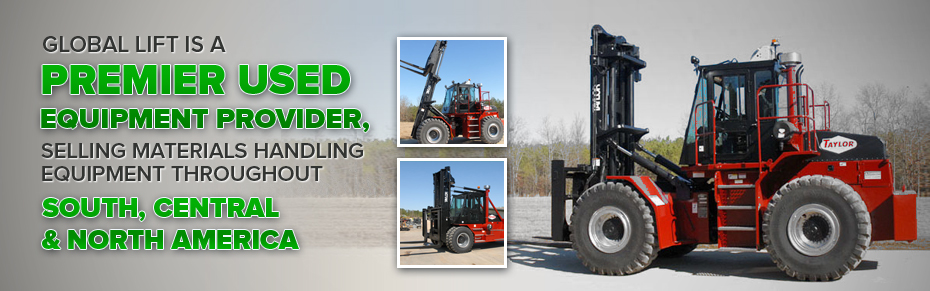
Taylor: Taylor LP Forklifts Nebraska - Believe it or not, certain companies actually allow their employees on the floor to operate a forklift even if they have not been given sufficient training. By enabling people who are not qualified the chance to operate potentially dangerous and such a huge equipment, extremely harmful consequences can happen to both the staff and the business. Like for example, a serious mishap is more likely to happen if an inexperienced driver is behind the wheel. The operator might accidentally run into a worker who passes by the equipment. This particular situation can occur because of inaccurate and quick maneuvers. She or he can figure that driving a lift truck is similar to driving any other type of vehicle, and this is certainly not the case. Unfortunately, there have been numerous reported cases of lift truck accidents that occurred in companies. These mishaps can happen due to various reasons when operating this kind of machinery. For example, some lift trucks are not outfitted with reverse sensors and even when they are equipped with them, these sensors do not really cover a wide rear end area. Thus, the operator is more likely to have several issues when they are just learning how to drive in reverse. Particularly while in the learning curve, the lift truck driver has to drive the machinery slowly and only after ensuring there is no other employees or objects behind it, put the equipment into reverse. Someone with incomplete training or an untrained driver may utilize the vehicle to lift materials in an improper manner or that are too heavy for the machine. Raising the wrong things may cause the merchandise to suddenly fall off of the equipment. This can potentially harm the workers if they happen to be close by or it can severely damage the goods or the warehouse itself. In order to keep the company and its workers safe, a business should guarantee that its employees have the correct skills and have completed the mandatory training prior to allowing them to drive a lift truck on their property. By following these strict guidelines, the business can help to avoid serious accidents.
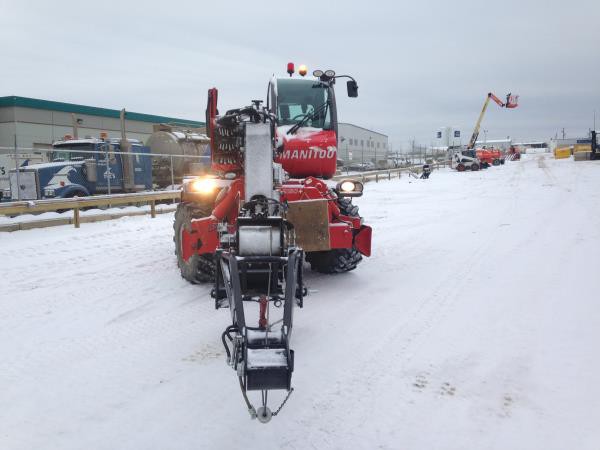
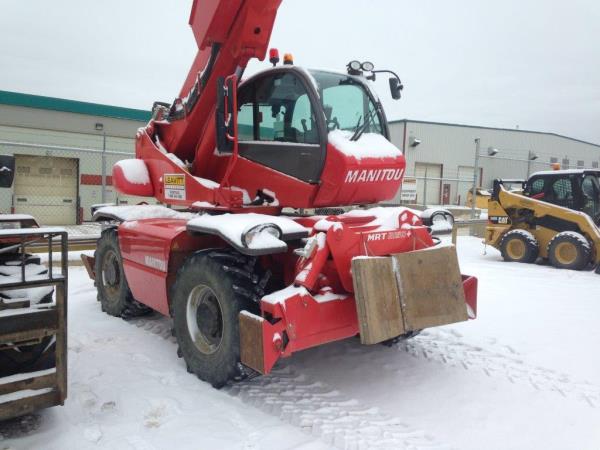
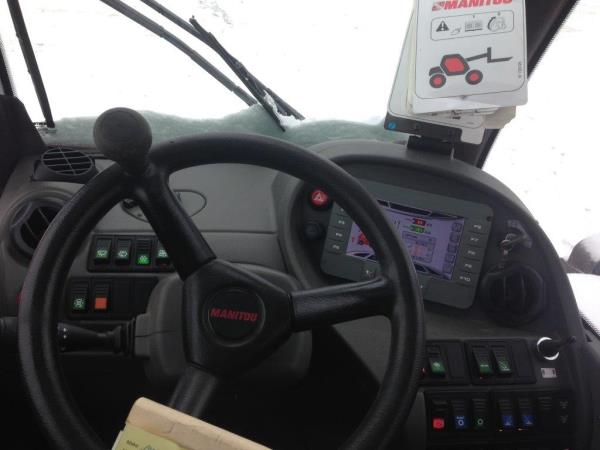
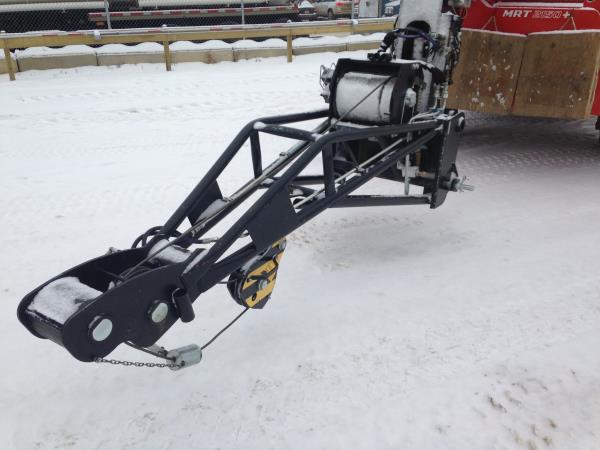
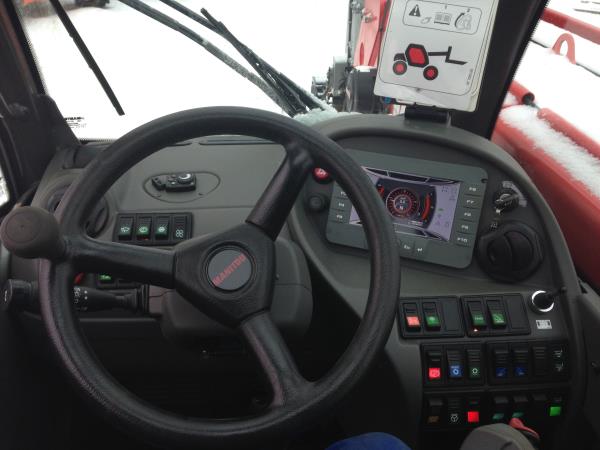
Manitou: Manitou 4 Wheel Drive Forklift Nebraska - Vertical Masted Lift Truck The perfect equipment for all your material handling requirements could actually be the vertical masted or straight masted lift truck. These units are a great alternative for times where both maneuverability and stability are vital to your use. Manitou's lift trucks have become pioneers of the masted models, which have been developed over many years of proven job performance and proven reliability. These equipment are engineered to perform successfully in even the most extreme conditions and work all around the world. The Manitou M Series masted lift trucks have been designed from the beginning as a true rough terrain forklift. They have been carefully engineered from the ground up to be tough and reliable. Several of the major concerns covered throughout the development was simple maintenance and operator comfort. The M Series is offered in a range of configurations in order to offer customers a fantastic machine choice. The M Series by Manitou's masted lift trucks have emerged on the market and from that time has been marketed as a rough terrain forklift. Basic maintenance and the driver's comfort were amongst the important issues that were kept in mind in the development and engineering of this equipment. The M Series is available in many configurations in order to offer our clients the suitable machinery to suit their varied applications. The smaller kind Manitou lift trucks are part of the companies semi-industrial variety. They provide compact maneuverability, exceptional handling, unequaled comfort, simple, accessible maintenance and unbeatable traction. This range is the perfect option for applications that require more than what the regular lift truck can really provide. Truck Mounted Lift Truck Manitou's Manitransit Series provided a series of truck mounted lift trucks that have changed on-site offloading methods. The TMT Series provides innovative technology, comfortable operation and industry-exclusive telescopic boom design. This particular series provides more freedom of movement and thus, reduces the overall expenses which are usually connected with on-site handling. The long boom unit option allows for better access to every load from the same side of the trailer. This feature helps to lessen the delivery times to residential streets. This boom design therefore eliminates complicated mechanical/hydraulic systems and the moving of masts required on similar competitive units. The 4-way TMT 55 model has integrated all these features above while also offering a unique 4-way steering capability. The wheels pivot ninety degrees hydraulically allowing side-to-side movement to occur. Drivers are given the chance to unload long cargo in tight spaces. These kinds of forklifts provide durability and incomparable simplicity of design. These types of machinery create less downtime to their customers because the design features reduce the requirement for maintenance.
Daewoo: Daewoo Warehouse Forklifts Nebraska - Definition of Forklift Classes The forklift is utilized in many retail and warehouse environments for various everyday task, including carrying heavy merchandise, delivering loads of goods and stocking shelves. According to the Industrial Truck Association there are eight categories of forklift. The equipment are classified according to kind of tire, kind of motor or engine, and the way the machinery is steered. Forklifts are also called lift trucks. Class I forklifts - Electric Motor Forklifts This class includes all regular electric motor lift trucks. Kinds of Class I forklift include the sit-down, three-wheeled varieties that are often utilized to transport pallets of mulch at home goods stores. Class II forklifts - Narrow Aisle Electric Motor Lift Trucks These trucks do not require a lot of space to operate. Class II trucks include forklifts with swinging masts and side-loading models. Class III forklifts - Electric Motor Hand Trucks Class IV forklifts - Internal Combustion Engine Forklifts These trucks have engines like those found in automobiles. They come with either cushion tires or solid tires. usually the back of the truck has a counterweight to make the machinery a lot more stable. Both Class V and Class IV are normally counterbalance forklifts with IC engines. The difference is in the tires that are used. Class V trucks come with pneumatic or radial tires. Tractors Class VI forklifts - Towing Tractor Lift Trucks Class VI lift trucks are sit down trailers which tow bulky loads, loads up to 450 kilograms. These trucks could come with either an an IC engine or an electric motor. Class VII lift trucks - Rough Terrain Vehicles This class of lift truck has pneumatic tires and internal combustion engines. They are usually used in logging, agriculture and construction. These trucks are great for worksites where the ground is rough and uneven and riddled with debris. Class VIII forklifts - Manual Lift Trucks These specific trucks are all manually operated by a person who pulls or pushes the vehicle. The forks are normally operated hydraulically, and have a low maximum lift height. This class consists of burden and personnel carriers.
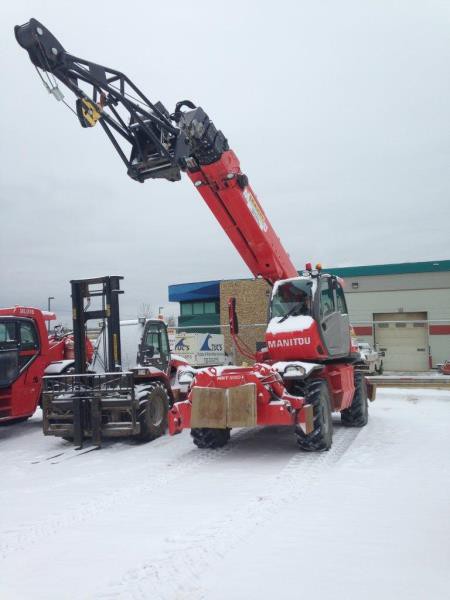
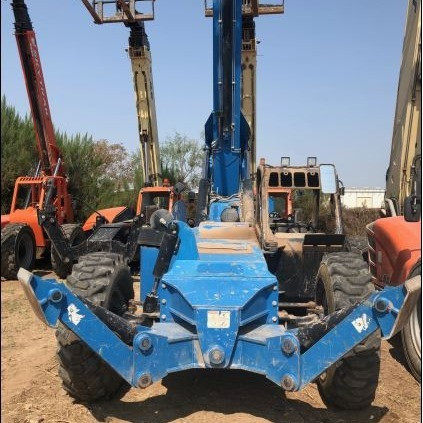
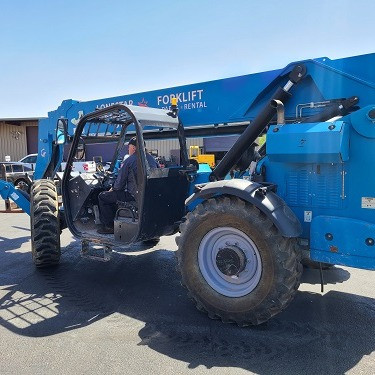
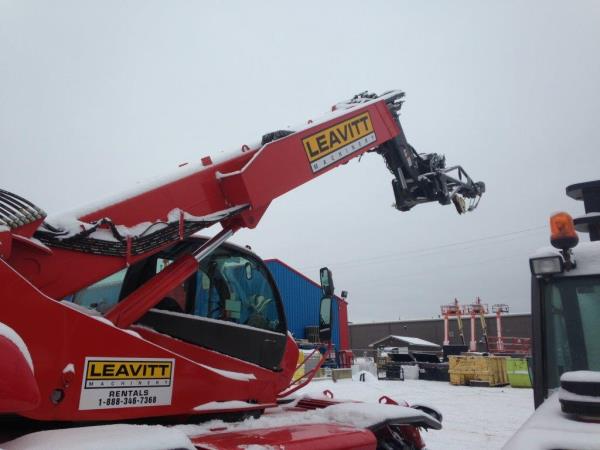
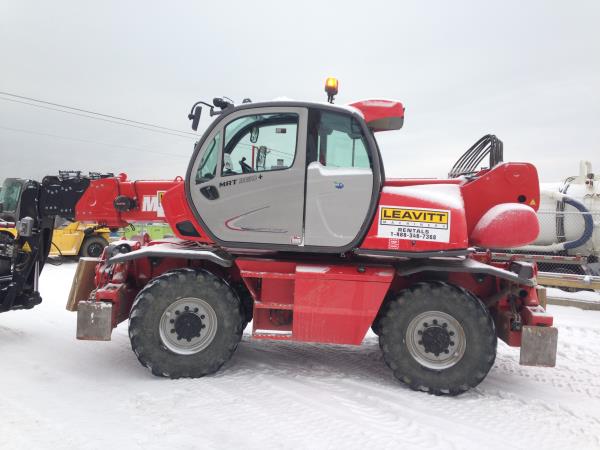
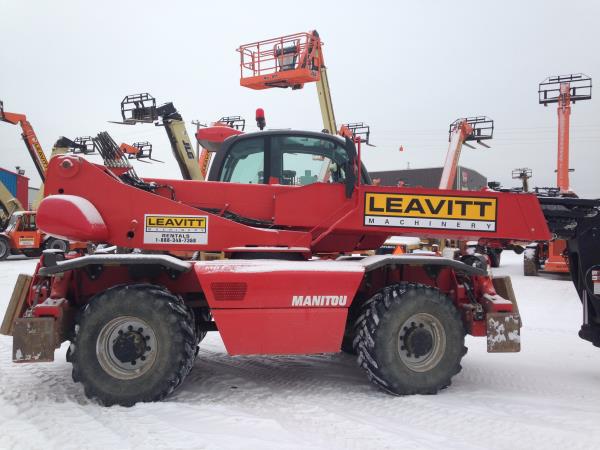
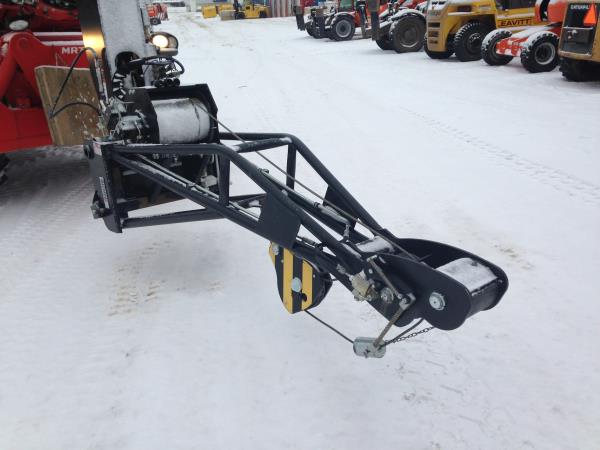
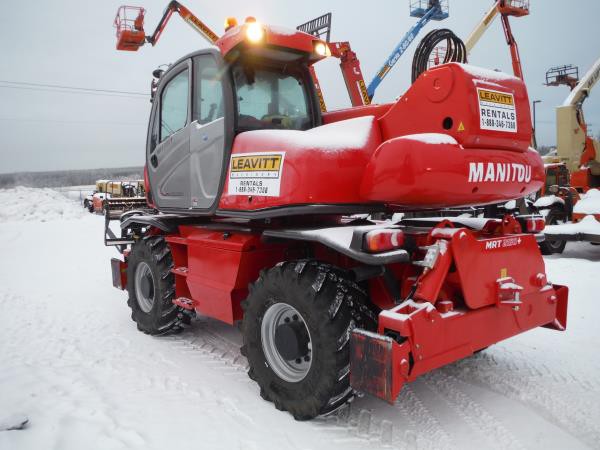
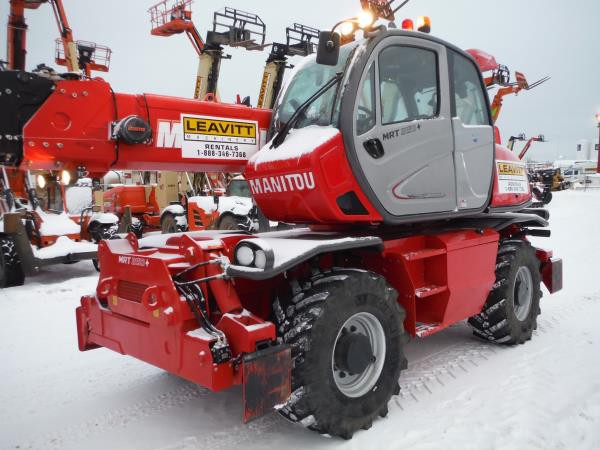
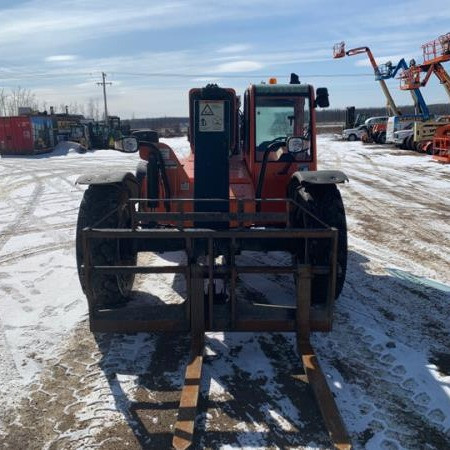
CAT: CAT Telescopic Forklifts Nebraska - A telescopic handler or telehandler is a machinery which is well-known within the construction and agriculture industries. These machinery are similar in function and appearance to a forklift or a lift truck but are actually more similar to a crane rather than a forklift. The telehandler offers improved versatility of a single telescopic boom that could extend upwards as well as forwards from the vehicle. The operator has the ability to connect many attachments on the boom's end. Some of the most popular attachments comprise: a bucket, a muck grab, a lift table or pallet forks. A telehandler usually uses pallet forks as their most common attachment to be able to transport loads through locations which are usually unreachable for a conventional forklift. Like for instance, telehandlers are able to transport loads to and from areas which are not normally reachable by standard forklift units. These devices can also remove palletized loads from inside a trailer and position these loads in high locations, like on rooftops for instance. Before, this abovementioned situation will need a crane. Cranes can be very expensive to utilize and not always a time-efficient or practical alternative. Telehandler's are unique in that their advantage is also their biggest limitation: since the boom raises or extends when the machine is bearing a load, it also acts as a lever and causes the vehicle to become somewhat unbalanced, despite the counterweights on the back. This translates to the lifting capacity decreasing quickly as the working radius increases. The working radius is the distance between the front of the wheels and the center of the load. Once it is completely extended with a low boom angle for instance, the telehandler would just have a 400 pound weight capacity, while a retracted boom can support weights as much as 5000 pounds. The same model with a 5000 lb. lift capacity which has the boom retracted might be able to easily support as much as 10,000 lb. with the boom raised up to 70. England first pioneered the telehandler within Horley, Surrey. The Matbro Company developed these machinery from their articulated cross country forestry forklifts. At first, they had a centrally mounted boom design on the front section. This positioned the driver's cab on the equipment's rear portion, like in the Teleram 40 model. The rigid chassis design with the cab situated on the side and a rear mounted boom has ever since become more and more famous.
Yale: Yale Used Forklifts Nebraska - When confronted with the purchasing cycle, it is a huge decision for anybody to choose whether to buy second-hand or brand new. In terms of buying a forklift and trying to decide between the two options, the best thing to do is know the application requirements for the lift truck. Like for instance, know the type of equipment that is needed, how long you plan to keep it and the number of hours per week or per year you would use it. Usually, an expensive forklift would hold its value longer over time. It is good to know that a lower priced new forklift may not have the overall ability, value or reliability of a second-hand unit of a higher priced model. When considering whether or not to buy a brand new or used lift truck, there are 3 aspects of usage which you may wish to take note of: utilization, duty cycle and seasonality. If you are thinking of utilizing your lift truck for 4 or more hours per day, it is better that you buy a brand new model, specially if you will have a high-duty cycle. A high-duty cycle means moving numerous loads per hour which are at or near the capacity truck. Nonetheless, if you expect to use your forklift for less than 4 hours per day or on an irregular basis, than buying a lower cost new model or a used forklift may be the best option. Some of the newer models are available at lower costs that are manufactured for lower-duty cycles. Furthermore, if you think that you will expect to utilize the forklift just during specific times of year on a seasonal basis, then a used lift truck or a rental program might best choice available and could potentially save you a lot of money. It is essential to anticipate if the forklift is going to be always used or not. This will mean determining the amount of uptime and dependability needed for your certain application.
TCM: TCM Gas Forklifts Nebraska - Lift truck training will consist of a range of essential steps which specially pertain to safety on a lift truck. Amongst the first steps is to make certain that employees have been taught well to utilize the machine. This is a big piece of machine that we are talking about. You just cannot take chances with it. Lift truck training is important business that has to be taken seriously. If you decide to skip this process, extreme repercussions could ultimately catch up with you. Allowing inexperienced and improperly taught people to operate forklifts can result in terrible injuries, severe damage and also death. Make it a standard company policy to always utilize seatbelts, at all times, no matter what. This is an easy topic that employees often become lax about, specially since the machine is just traveling 10 miles an hour. Workers usually think that they would not have any type of issue and therefore, start not wearing them. This is where the danger can happen, since it is easy for an accident to occur which could have devastating results. This is not a car or a truck; the seatbelt is not required to hold them inside the cab if they run into something. In a forklift, the purpose is a lot more important, even if the equipment travels really slow, in the unfortunate event of a tip-over, the seatbelt holds the driver in place secure in the operator's seat so they will not topple out and be accidentally crushed beneath. In case of any mechanical problems or issues, a well-organized reporting system needs to be in place. Workers require a logical way to communicate these situations so that those who are responsible for fixing them will. Employees should be familiar enough with the machine that they comprehend at least the very basics of what could go wrong. An operator has to be able to identify if there is a problem with the lift truck so as to fix it before it becomes a big and possibly dangerous or costly issue. Having a reliable reporting system in place is really vital for workplaces which run on shift work. Like for instance, if one operator is having a problem and he leaves, and the next driver is unaware of the problem during his shift, then catastrophic situations could arise. Forklift training is a lot more involved than just learning simply how to utilize the machinery. No matter if an employee feels that the machinery is overturning, train your employees to not hop out of a lift truck. The right thing to do in this dicey situation is to lean away from the turn while staying inside the cab and tightly holding on.
Doosan: Doosan Lifts Trucks Nebraska - In the year 1958, Doosan Infracore began to produce diesel engines and has continued R&D to help stay ahead of the curve in Korea's heavy and material handling industry. Doosan started in 1975, manufacturing diesel engines on a mass scale at its very first large scale facility. Within 10 years the production technology of the company had advanced to the point that making its own diesel engine model was possible. Doosan's leadership position within the industry was secured. In 1995 Doosan made its first low-emission diesel engine, followed by commercial vehicle CNG engines after three years. Ever since the year 2000, the company has developed technology for low-pressure natural gas engines, sophisticated common-rail engines, and Tier 3-compliant engines. In order to follow stringent Euro emission control standards, the company developed a low-emission, heavy-duty diesel engine model during the year 2007. Doosan Infracore has facilities worldwide to make 60 different kinds of engines, as well as parts and materials. Products consist of diesel engines and natural gas engines for trucks, forklifts, construction machines, buses, generators, ships and many more. Engines range from 70 to 1,500 horse power. Yearly output is currently 75,000 units. The company is continually engaged in expanding R&D capabilities to increase output and expand to more markets. Demand for stricter regulations governing engine emissions has led the company to build a compressed natural gas engine factory within the US during the year 2008, and a joint venture plant within Xuzhou, China. The factory in China can produce 50,000 diesel engines per year, with production scheduled to begin in 2011.
Nissan: Nissan Order Picker Forklift Nebraska - Nissan's order pickers have been based on a modular design to help allow for great cost-effective solutions to the widest array of demands within the business. A few of the choices include rising and fixed driver platforms, wheel steering and tiller arm and high and low fork options. To be able to achieve extreme productivity, you operator requires a reliable and durable machinery capable of lifting nearly 15 tons in a single shift. The order picker line made by Nissan have been meticulously designed with the operator's needs in mind. They provide the utmost safety features to create an efficient and comfortable working atmosphere and increase performance. These types of equipment function at low and medium levels with long forks to greatly enhance workflow by being able to handle as much as 3 pallets or 2 roll cages at a time. The operator platform rises about 95 cm in less than 2.5 seconds to enable for rapid access to picking positions. At high levels, the lift speed is fast and there is easy access to the forks from the cab and the picking position. AC power guarantees instance response to the operator's slightest command. Also, every braking movement really helps to recharge the battery for a much longer shift. More uptime means more output. All order pickers made by Nissan enjoy on-board fault diagnostics and easy battery changes. These design features really contribute to increased uptime of the machine. At all levels, ergonomic design has been applied. Low and medium levels for instance have chosen the steering options which are right for your business. The power assisted wheel provides effortless and precise control. In applications where the operator walks alongside the truck, the tiller arm option could be the best option. In this specific position, the brake is applied every time the arm is raised vertically. When raised, it provides the operator with a lot of space to stand on the truck. The "side drive" option will enable operators the chance to walk beside the machine and to control the truck from either side, whenever picking positions that are close together. The operator could achieve this "straight line" operation so as to guarantee accurate backward and forward travel. At low and medium level, the step height is just a few centimeters from the floor for easy access. As well, the rising platform options allow an easy "walk around" space. Cab access is easy and quick at a high level. What's more, the floor has added cushioning for enhanced operator comfort. What's more, the controls are carefully located for simple operation and to help guarantee maximum productivity.
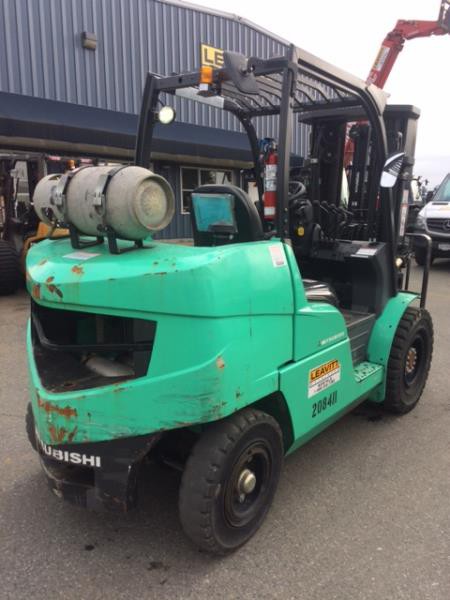
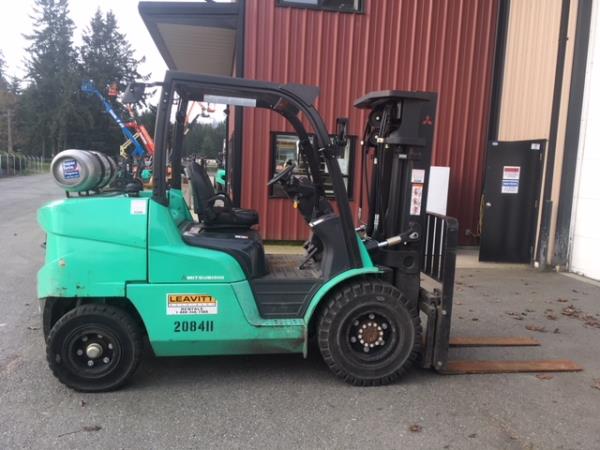
Clark: Clark LP Forklifts Nebraska - How to Fill Forklift Cylinders Forklifts, or industrial lift trucks, are normally designed to operate on liquid propane. There is the alternative to have cylinders delivered to your facility, or to have refueling capabilities on site. Operators who are working with forklifts that use propane should be trained to handle substances that are highly flammable. 1 Prior to refueling, you must wear personal protective equipment. Thick leather gloves should be worn to prevent liquid propane from coming into contact with the hands. The liquid is extremely cold and can lead to serious burns. Other protective equipment includes goggles and a full face shield. A fire extinguisher must always be nearby. 2 Prior to doing something else, you should first shut down the forklift. Make certain there are no lit cigarettes and no open flames in the area. Remove the protective cap on the fill valve and securely attach the fill line to the fill valve. When the fill line is in position, carefully open the bleed valve. It is normal to hear a hissing sound when opening the valve, but make sure it is air escaping - and not propane. 3 Open the fill valve on the fill line carefully. Check around the connections and make sure that there are no leaks. Afterward open the valve more and let the propane enter the tank. Check the tank while refueling; when it is full, the bleeder valve will emit a spray of white gas. Totally turn off the fill valve first prior to closing the bleeder valve. Carefully take the fill line out of the tank. A small amount of gas that is escaping during this time is normal. Make certain to screw the protective cap back onto the fill valve. Check all of the valves in order to make sure they are completely closed. Your truck is now refueled and ready to drive.
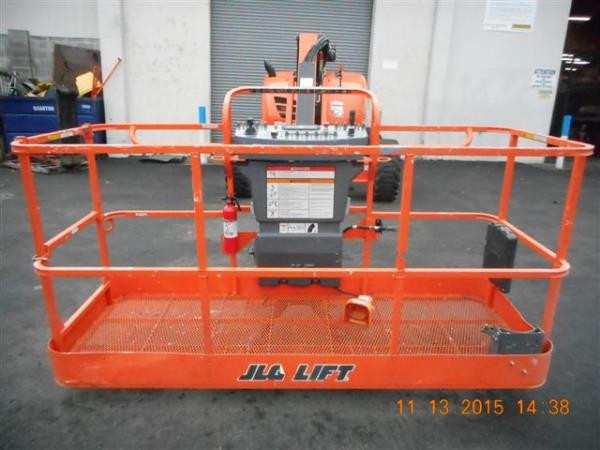
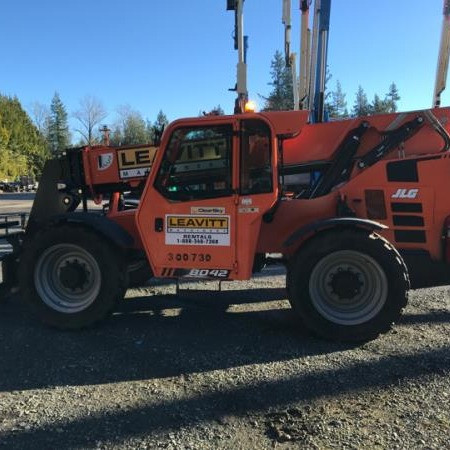
JLG: JLG Telescopic Forklift Nebraska - JLG remains really dedicated to their engineering and testing methods. This means their telehandlers and other material handling machinery being able to provide you high performance when you most require it. JLG utilizes a state-of-the-art modern test facility to provide you with the most realistic construction setting available. In order to check and refine their units and provide improved overall capacity, precision and boom speed, the JLG company utilizes sophisticated load placement and reach placement technology. Additionally, the steering and drive performance are tested on a limestone steering course and at the mud pit. The strength and extended driving are tested using crosstie, potholes and high-speed road courses. JLG has a reliable engineers and technicians to perform all these tests, therefore, they understand what you are expecting and experiencing on the job site. All Access for All Conditions To help you accomplish difficult tasks and maneuver around crowded areas, the JLG telehandlers will allow you to work around the many obstacles and conquer job site difficulties by using 3 distinct steering modes. These 3 steering modes help you drive with superior ease over uneven and varied terrain. These models offer as much as 19 inches of ground clearance, that help you travel over any debris easily. What's more, both the G9-43A and G6-42A models feature a 144-inch turning radius, therefore, it becomes a lot less challenging to navigate through tight areas. These equipment help you maneuver your way through the most productive shift possible. Real Confidence The overall design of these telehandlers is extremely solid. These units are built to be reliable and strong so that you could lift loads up to 5000 pounds while being at maximum lift height capacity and still have enough power to deal with the hardest jobs. Better operator confidence is found determined by enhanced stability. You can trust JLG telehandlers to handle your requirements effectively and to help you achieve better performance heights. JLG is proud to provide a full line of reliable machines. The company has established a successful reputation all over the world and their name is synonymous with excellent, quality machinery which are well-built and designed to function in the most challenging environments every day. JLG has what you require to finish the task. If you are searching for any type of material handling machine, visit your local dealer to find out what is available and experience the machines first hand.
Jungheinrich: Jungheinrich Gas Forklift Nebraska - Purchase a Forklift For Your Company Forklifts are vital industrial machines for companies in many businesses which need the movement of products and materials. The forklift helps the employee by doing all the physical tasks required for carrying and moving goods. The lift truck is an equipment that makes the workplace more efficient and productive and saves employees from the stresses of hard physical labor. Companies have found that items which might need 10 hours of physical labor could be achieved using a lift truck in only several hours. Physical labor these days is reserved for work that is not strenuous, like transporting lighter boxes, sweeping and picking up paper. The lift truck is great for carrying and transporting bulky or heavy weight objects that could otherwise require two or more workers to do. The lift truck machinery is operated by a single employee who can transport products and materials in a very short time. It is apparent that forklifts are important on construction locations. Construction requires a lot of manual labor, like building foundations, digging ditches and laying concrete. Materials such as gravel, sand and other items must be transported around the place, either by machinery or by hand. The utilization of forklifts allows construction workers to save their strength and prevents burnout and injuries. Construction workers still have a lot of manual jobs to do, but lift trucks certainly help lift a few of the load. With lift trucks to lift and transport the heaviest things, workers can use their physical strength for other tasks. Millions of businesses take advantage of the benefits of utilizing lift trucks on their job sites.
Komatsu: Komatsu Outdoor Forklift Nebraska - Forklifts are utilized in numerous types of industries. They are common features in mining operations, on construction sites and in numerous rail yards, warehousing facilities, ports and shipping and receiving operations. Basically, a forklift is a large kind of vehicle that is utilized to transport a connected platform. This platform has attached forks which could be placed beneath big pallets or items that should be transported and lifted. The forklift operator utilizes the correct controls to safely lift the load without damaging or dropping it. Safety is one of the most important factors when operating a forklift. This is part of the reason why learning to use a lift truck is necessary skill which needs official training. Knowing how to correctly utilize one prior to attempting to operate is essential. It is actually illegal to use a lift truck without the required training. To be able to attain the correct training, start with an OSHA approved forklift driver's training program. This program will include precautions that must be taken, classes in basic use and safety regulations. Be certain to take notes during the course and pay attention to your course material. Proper operation of the lift truck would help ensure safety and will also lessen the likelihood of fatal accidents. Some of the specific program material would include controls of the forklift, maintenance of the machinery, how to maintain visibility, maneuvering and steering techniques, forklift use limitations and refueling. On-the-job forklift training is provided by a lot of companies. Prior to actually utilizing the machine, you have to observe a trained professional and then demonstrate your ability to use the forklift in a supervised and controlled situation. This would help you get the feel for the lift truck and be able to utilize your training. After successfully finishing the training and putting your new skills into action, you would be given certification from the training program that you have completed. This certification shows that all of your requirements have been met in the practical experience. Before you could legally utilize a forklift in unsupervised conditions, this certification is necessary. Having certified forklift training looks great on a resume. It is a terrific asset for any industrial application. Depending on where you reside, the license must be renewed after a particular time period or based on your work place standards. Having the proper training will really help keep you safe and individuals who work around the machine.
Toyota: Toyota Dual Fuel Forklift Nebraska - In 1926, Toyota Industries Corporation or TICO was founded by Sakichi Toyoda. Since the company's inception, TICO has expanded the scope of its business domains and promoted diversification to include: material handling machinery, logistics solutions, textile machinery and equipment, electronics, automobiles, car air-conditioning compressors, vehicles and engines. About Toyota Material Handling, U.S.A. Inc. Since the year 2002, TMHU is the supplier for the top selling forklifts in North America. In addition to the complete line of high-quality forklifts sold under the brand Toyota, the business has extended their industrial machinery solutions to comprise tow tractors and Automated Guided Vehicles. TMHU is celebrating its 45th year in business in North America. Excellence is the hallmark of the Toyota Production System. It is practiced at each and every Toyota manufacturing facilities like TIEM. During 2011, Industry Weekly magazine named TIEM a North American Best Plant. TIEM follows the ISO 14001 standard set by the International Organization for Standardization and is also a member of the National Safety Council. Since it started during 1990, TIEM has made more than 400,000 Toyota lift trucks. Toyota has been known internationally for its expert customer service. All over Nebraska and the United States, this great dedication has been extended. There are more than seventy authorized Toyota Industrial Equipment dealers and all around North America there are over 220 dealership locations. Toyota dealers are extremely skilled and capable of providing complete client service and support. They offer one-stop shopping for both brand new and used lift trucks, rentals, fleet servicing, service and parts and financing. Toyota remains dedicated to providing excellent quality care. They can ship replacement parts on short notice and hope to lessen any potential downtime. Toyota dealers are happy to deal with any questions or problems set forth by their clients and are also a fantastic resource if you are thinking of becoming a potential customer and must determine the right type of machine for your specific application. The dealerships provide various new, second-hand and refurbished machinery in order to provide you with the best choices. Renting equipment is an ideal way to try before make a purchase. This way you could check the machinery in the environment you would be using it in to determine if it will be sufficient and right. On their company website, Toyota offers a host of information. Stop into your local dealership to see the newest machinery, have any questions answered and experience their product line first hand.
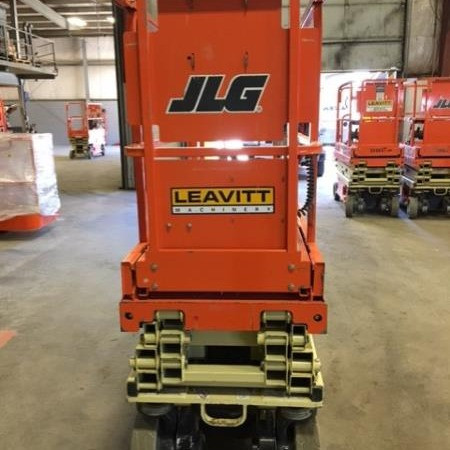
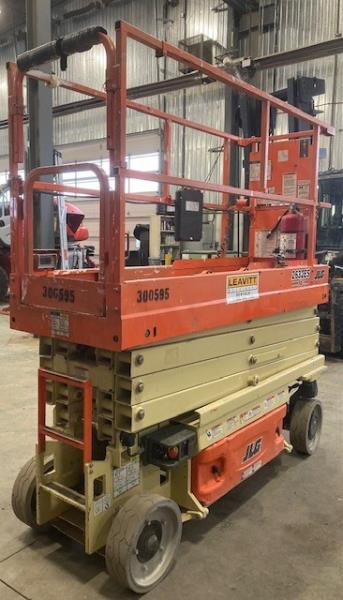
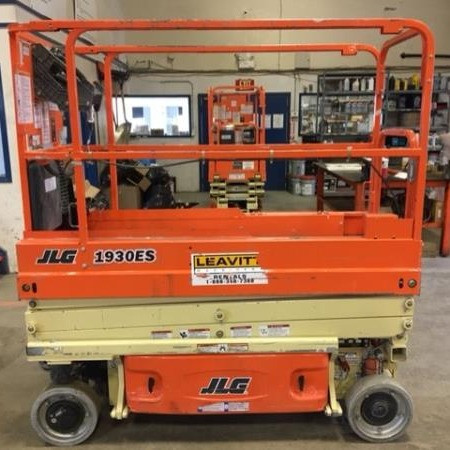
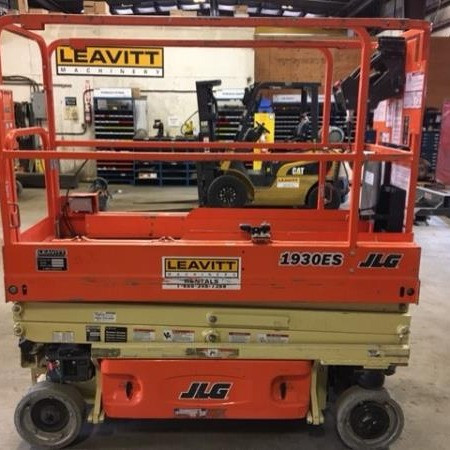
JCB: JCB Aerial Lifts Nebraska - Aerial Work Platforms AWP or aerial work platforms are designed and engineered to elevate workers and their tools to a particular height in order to carry out a job. The specific unit and manufacturer and type of machinery all varies. Before aerial work platforms were developed, all jobs which require work at high levels had to be done with scaffolding. Thus, the invention of aerial work platforms has kept a lot of workers safe and increased the overall productivity of similar tasks. There are 3 key types of aerial work platforms. They are boomlifts, mechanical lifts and scissorlifts. These kinds of machinery could be operated with pneumatics, mechanically utilizing a rack and pinion system or with screws or by hydraulics. These models may be self-propelled with controls at the platform, they may be unpowered models needing an external force to move them or be mounted to a vehicle so as to be transported. John L. Grove was an American inventor and industrialist who is widely credited to developing the aerial work platform. However, during 1966, prior to the first unit of JLG, a company called Selma Manlift introduced an aerial lift model. During the year 1967, after selling his previous business Grove Manufacturing, John L. Grove and his wife decided to take a road trip. They decided to stop at Hoover Dam. While the couple was there, Grove unfortunately witnessed 2 employees electrocuted while they were working on scaffolding. This tragic incident led John Grove to discover an untapped market for a new product that can safely raise employees in the air for them to do maintenance and construction jobs in a better way. John bought a small metal fabrication company and formed a partnership with 2 friends, once he returned home from his vacation. The small business soon began designing ideas for the aerial work platform. The new business was named JLG Industries Inc. They proudly released their first aerial work platform in the year 1920 with the aid of 20 workers.
Skytrak: Skytrak Zoom Boom Nebraska - There are 5 units varying in range capacity, reach capacity and lift height. Day after day you would be turning corners on job performance and attaining new goals. These equipment will keep working job after job, even in the most difficult environments and roughest terrain. With 3 steering modes, you would have everything you require to deal with all the maneuverability to deal with varied and difficult terrain. When you must take productivity levels to the next level the Model 10054 provides 4-wheel drive and 4-wheel steer to be able to effectively complete the tasks which need the most mobility. Stabil-Trak System WIth the patented Stabil-Trak system in place, operator confidence is increased. The Stabil-Trak technology will provide rear axle stabilization which allows the automatic transfer from a 3-point stance to a 4-point stance in order to enhance stability. The system operates in final positioning and free-pivot locked modes. With the efficiency and power of Stabil-Trak technology working with you, you would notice a superior level of boosted performance and much more operator confidence on the jobsite. The axle mounted outriggers operate along with the Stabil-Trak system to enable the frame to become secure and level without changing the stance. The Right Dimensions On some models, SkyTrak Zoom Booms offer an overall height of up to 101 inches, as well as up to 18 inches of ground clearance. This offers the operator greater access to low-clearance areas and more room to travel over debris. The navigation of tight places is less difficult with the tight turning radii. These are only several of the features which enable you to maneuver your way through the most fruitful day you could. Firestone Tires Last Longer Firestone DuraForce MH tires exclusively equip the SkyTrak telehandlers. These new Firestone tires lessen your ownership cost since they last 3 times longer as opposed to the Firestone SGG telehandler tires and are less prone to sidewall damage. Because these tires are offered in various unique sizes, there are fewer parts to stock. This results in an overall reduction of inventory expenses. In order to maximize performance in rough terrain, a self-cleaning tread pattern provides lower ground bearing pressure. On every SkyTrak machinery, there is great attention to detail put on the overall engineering and design. From the tires, to the frame, to the cab interior, a strict attention to detail has allowed these kinds of equipment to be made in the most cost-effective way for the machine to be built and provides the operators with the most reliable choice for the jobsite.
Hyster: Hyster Dual Fuel Forklift Nebraska - At Hyster, we provide much more than just product manufacturing and sales. Through our network of dealers you could find capital procurement specialists, training service, fleet managers, parts suppliers and more. Our teams are truly dedicated to providing you with the best possible service before, during, and after you rent, buy or lease any kind of equipment. Hyster UNISOURCE Parts Program provides parts for all of your lift trucks. With more than two million part number crosses of most available brand names of other in-plant mobile and material handling machines and equipment, the UNISOURCE Parts Program can help you find the component which you require. If you're looking for either refurbished or remanufactured components, UNISOURCE provides the same product quality and guarantees, just at a lower price point. Through partnership with one of the most commonly known suppliers in the forklift industry, we can stand behind each machinery with among the best warranties that can be found in the industry. The line fleet management services provided by Hyster is top of the line, even though we recognize that in numerous cases, your entire fleet may not be Hyster. This is why we provide services to assess your entire fleet and make recommendations to keep all of your equipment, Hyster or not, working smoothly. We can make recommendations on how to manage your forklift maintenance schedule successfully and when necessary, help you come up with a long term replacement plan. Our group is committed to assisting you manage your fleet with the most cost-efficient methods available.
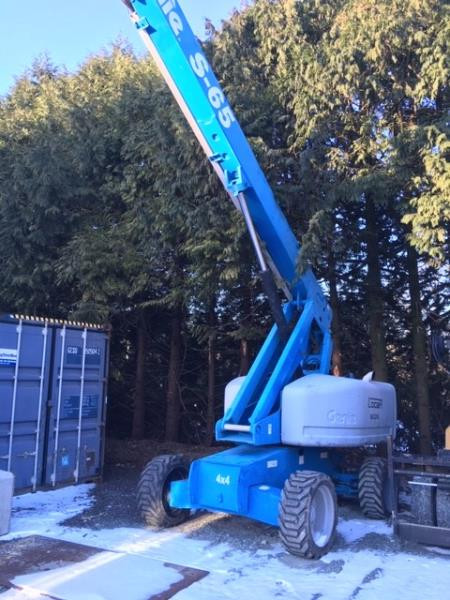
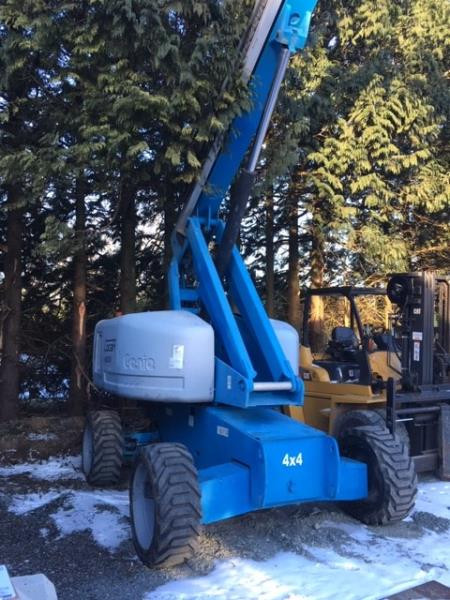
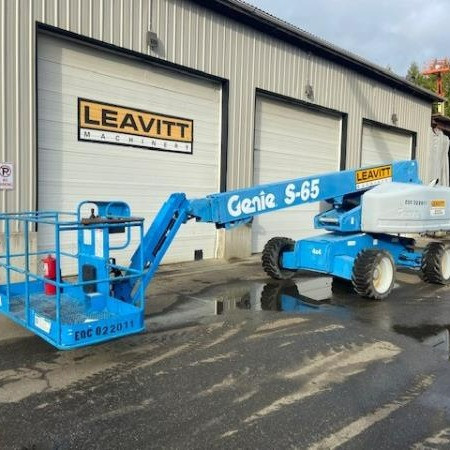
Genie: Genie Straight Manlifts Nebraska - The company launched the innovative, portable pneumatic material lift, the Genie Hoist, at the beginning of Genie Industries' history in 1966. To give its clients the best, Genie continued to develop fast and add new materials and aerial work platforms. Genie industries rapidly became a worldwide leader for creating innovative business machinery solutions. Genie Industries is now a subsidiary of Terex Corporation, which concentrates on making strong relationships with its customers through offering the means to build businesses and improve productivity and efficiency. Genie's characteristic blue lifts could be spotted all over the globe from the United States and Nebraska to Northern Europe, the Middle East, and even Asia. Clients seek out Genie Lifts due to the dependability of our products, our high-quality client service and support, and our focus on creating innovative solutions for client work site challenges. The professional teams at Terex are committed to creating an environment of trust for all its customers by using customer satisfaction as our incentive for success. Each product is manufactured and engineered with environmentally-friendly practices in mind. We work with other companies and employ green practices in as many areas of business as possible to lessen our environmental effect and create as little waste as possible. To serve its clients who are based literally all over the globe, Terex has built a strong network of worldwide distributors. You have to run the business the way you would like, so our dealers and distributors are fully dedicated to helping you find your ideal lifting equipment. We are also here to provide support for equipment which you already own to keep your equipment running well for the long term. We are dedicated to providing you with efficient, dependable business equipment. We aim to maintain a commitment to preserving the environment while giving you the highest quality products in the shortest amount of time.